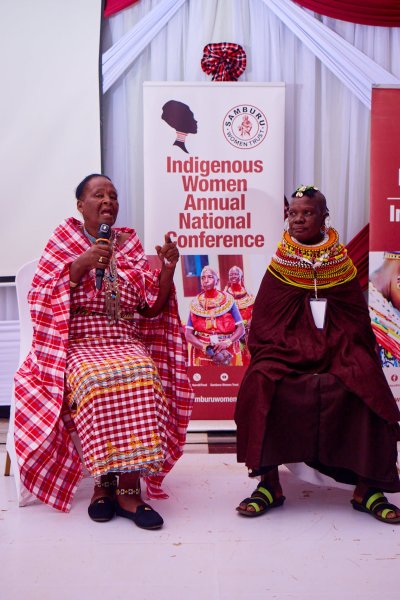
El Boran, Isiolo County | 5–8 August 2026
The 12th Annual National Indigenous Women Conference 2026 brought together Indigenous women leaders, grassroots movements, pastoralist communities, policymakers, development partners, philanthropic actors, researchers, media and allies for four days of dialogue, reflection and collective action.
Held in El Boran, Isiolo County, under the theme “Rangelands and Pastoralists: Lands in Motion, Stewards of Knowledge and the Future,” the conference provided an important national platform for Indigenous women to reflect on their achievements, challenges and aspirations while shaping a stronger vision for the future.
The convening also came at a significant moment, as 2026 marks the International Year of Rangelands and Pastoralists, recognizing the importance of rangelands and pastoralist communities to biodiversity, livelihoods, food systems, culture and sustainable development.
From legacy to leadership
One of the defining conversations of the conference was the need to move beyond celebrating the achievements of Indigenous women and towards strengthening their influence in shaping the future.
The high-level opening plenary, “Beyond a Decade of Impact: From Legacy to Leadership,” created space to reflect on the progress made by Indigenous women over the past decade while identifying priorities for the years ahead.
The conversation reinforced a central message: Indigenous women must not only participate in development—they must be recognized as leaders, decision-makers, custodians of knowledge and architects of solutions affecting their communities.
The conference concept positions Indigenous women at the centre of development and emphasizes their role as custodians of ecosystems and leaders of sustainable futures.
Land, rights and self-determination
Across the conference, land emerged as one of the most important issues affecting Indigenous communities.
Discussions examined community land governance, Indigenous Peoples’ rights to ancestral territories, participation in decision-making and the protection of pastoralist livelihoods.
For Indigenous women, land is deeply connected to food security, livelihoods, culture, family and community wellbeing. Securing land rights therefore remains essential to strengthening Indigenous women’s economic and social resilience.
The conference called for stronger collective advocacy around land rights, pastoralism, climate justice and self-determination.
Indigenous knowledge as a solution
The conference also celebrated the knowledge systems Indigenous communities have developed and sustained across generations.
Indigenous women continue to play critical roles as custodians of traditional knowledge, seed keepers, livestock managers, peacebuilders, caregivers and protectors of biodiversity and culture.
Their knowledge provides valuable pathways for responding to climate change, restoring ecosystems, protecting biodiversity and strengthening community resilience.
A platform for collective action
The 12th Annual National Indigenous Women Conference was more than a gathering. It was a space for movement-building, partnerships, learning and accountability.
It brought together diverse actors around a shared ambition: to strengthen Indigenous women’s leadership and create systems that recognize, trust and invest in Indigenous-led solutions.
As the conference moves forward, its significance will be measured not only by the conversations held, but by the partnerships strengthened, commitments made and actions taken.
The future being envisioned is one where Indigenous women are not on the margins of development but at the Centre of decisions that shape their lands, communities and lives.